

In crowded settlements and financially vulnerable localities, hunger does not always appear through extreme conditions visible from outside. Many families quietly reduce meals, compromise on nutrition, or prioritise feeding children while adults manage with less food throughout the day. For growing children, irregular eating habits slowly affect energy levels, concentration, emotional stability, and overall well being.
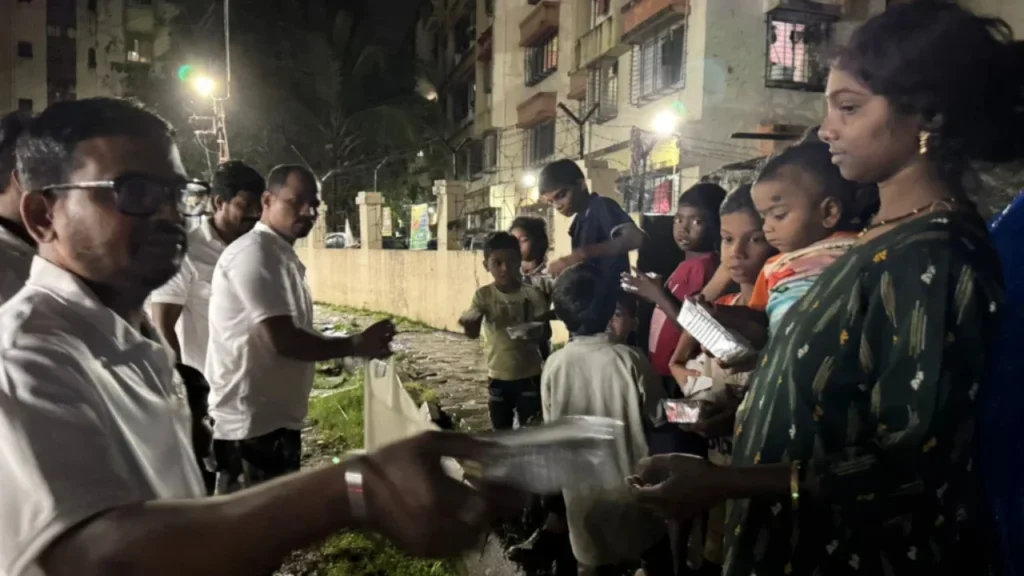
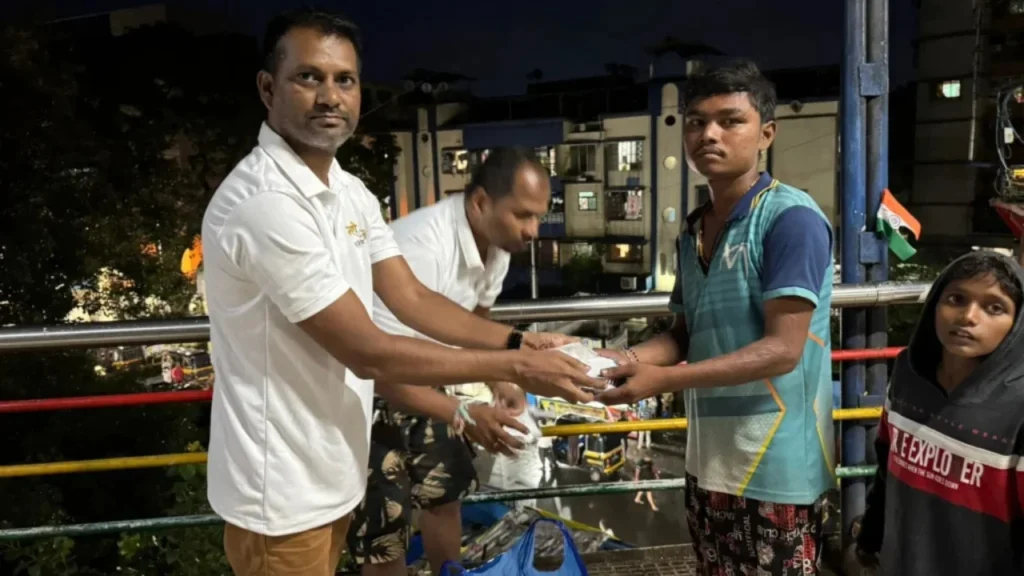
Children living within these circumstances often continue attending school or spending time in community spaces while carrying physical tiredness caused by inadequate nutrition. Some become less active, emotionally withdrawn, or unable to focus properly during learning activities. Families facing unstable income conditions frequently struggle to maintain consistency in providing nutritious food alongside rent, medicines, transport, and household expenses.
“A simple nutritious meal can restore comfort, energy, and emotional reassurance inside a child’s day.”
Narisetu Foundation
Food support carries meaning far beyond physical nourishment within vulnerable communities. It creates emotional reassurance for families who spend each day balancing survival needs with limited financial stability. Consistent community care helps people feel remembered during periods where hardship often becomes emotionally exhausting and isolating.
Community nutrition efforts become more effective when they are approached with consistency, hygiene awareness, and respect for people’s dignity. Regular outreach within underserved areas helps build trust among families who may otherwise hesitate to seek support or openly discuss their struggles related to food insecurity and household wellbeing.
Small yet reliable nutritional support can gradually improve children’s daily routines, classroom participation, emotional comfort, and overall community health conditions. Sustained human presence within these neighbourhoods reminds families that care and compassion still exist even during uncertain phases of life.